Start here: what you need to know as a user
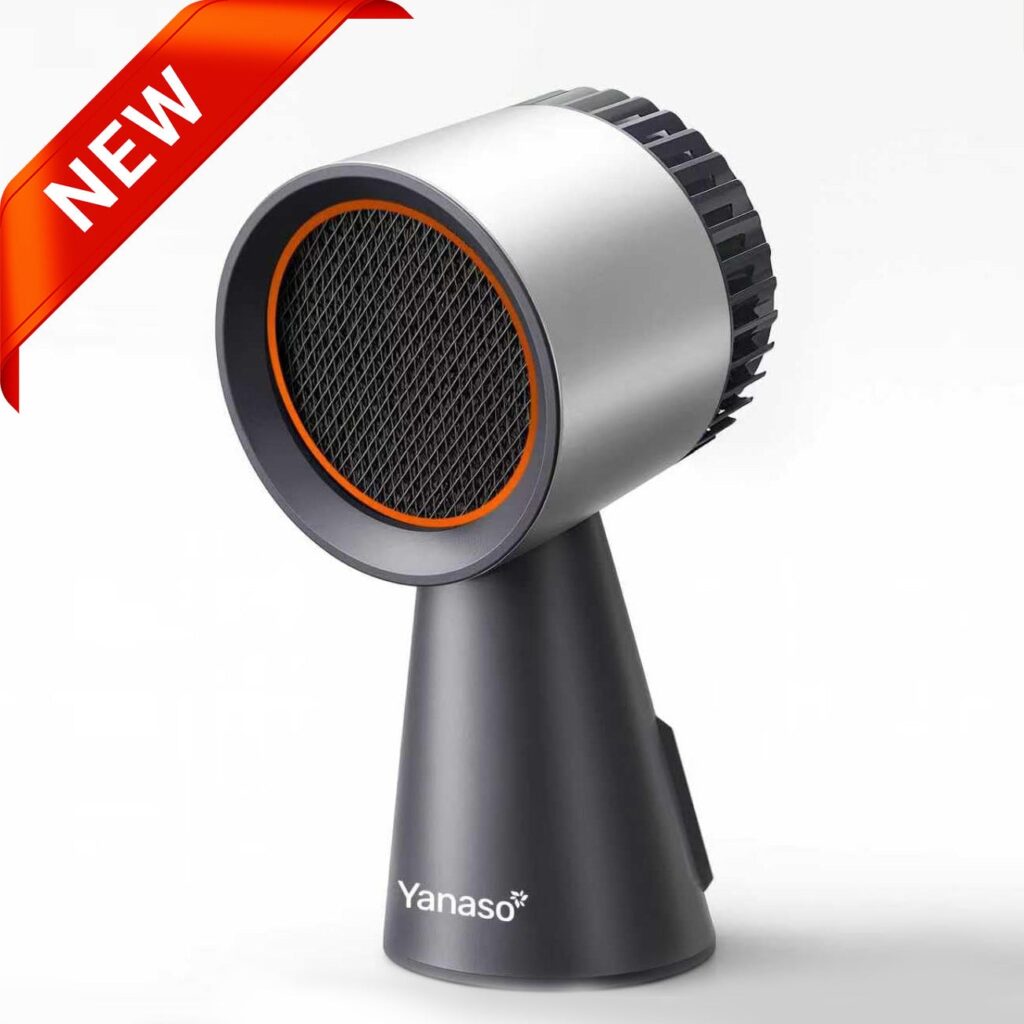
If you live in a compact apartment or retrofit an older kitchen, ventilation becomes a functional priority, not an aesthetic afterthought. A portable solution can deliver fast relief from smoke, grease and excess heat without ductwork or major remodeling. For many readers, the most practical first step is to consider a portable range hood that matches your cooking habits, space constraints, and noise tolerance. Keep in mind urban kitchens—for example, many units in Manhattan—frequently lack full ducted ventilation, so sensible recirculation strategies matter.
How portable units address common user problems
Users typically seek three outcomes: reduced odors, lower humidity and minimal disruption during installation. Portable systems commonly use a combination of a blower and charcoal filter to trap grease and odors while recirculating air. For studios or rental units, the absence of ductwork makes a ductless configuration the only feasible choice, and it is here that unit CFM and filter quality determine practical performance. Do not assume higher CFM alone solves every issue; placement and capture efficiency are equally important.
Choosing the right model for your daily routine
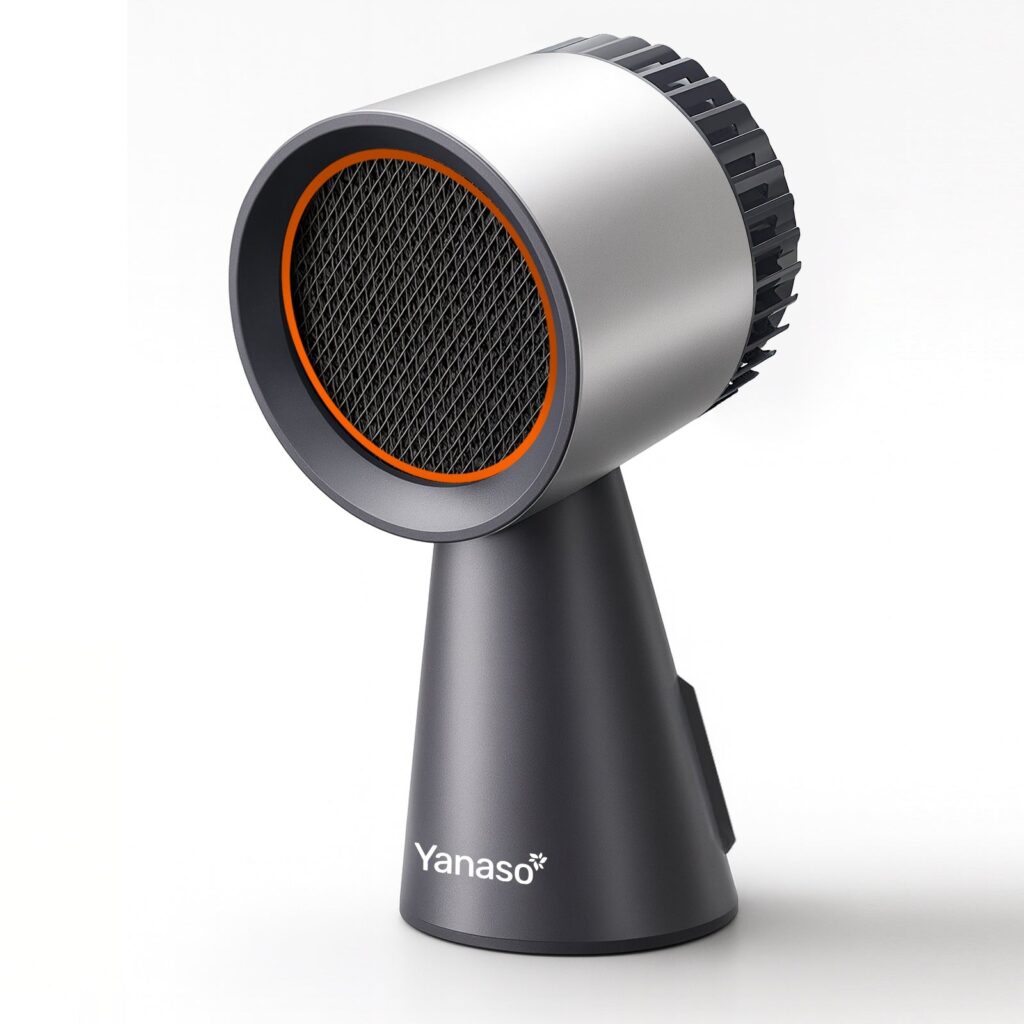
Begin with your cooking profile. If you frequently stir-fry or sear, prioritize units with higher capture velocity and easy-to-replace filters. If you mostly simmer, a quieter, lower-CFM unit will suffice. Evaluate these attributes: airflow (CFM), filter type (charcoal or multi-stage), and portability features such as caster wheels or lightweight handles. Also review manufacturer guidance on recirculation and maintenance intervals. For a slightly different phrasing, some shoppers prefer the term portable cooker hood when researching models that emphasize compact footprint and plug-and-play setup.
Installation and common mistakes to avoid
Users often underperform with placement and expectations. Mounting a unit too far from the cooking surface reduces capture; poor clearance increases noise. Another frequent error is neglecting the scheduled filter replacement—charcoal media loses efficacy over weeks depending on use. Always test a prospective model with your most typical cooking test: searing with a small pan placed at your usual burner. That quick trial will reveal capture gaps without formal lab testing. —Do not skip this step; it saves time and reduces frustration later.
Comparing alternatives: what to weigh against portable units
There are three practical paths: (1) retrofit ducted range hoods, (2) install recirculating portable units, or (3) use auxiliary strategies such as window fans and timed ventilation. Ducted systems deliver the best long-term extraction but require construction and are often impossible in rentals. Portable units offer flexibility and lower upfront cost, though they trade absolute exhaust capacity for convenience. For hybrid approaches, consider pairing a portable hood with timed window exhaust or a kitchen exhaust fan to improve overall air changes per hour.
Real-world anchor: urban use-case and maintenance reality
In dense apartments, occupants report that a well-placed portable unit reduces lingering odors and kitchen humidity within 10–20 minutes for routine cooking — provided the unit matches the room volume and the filter is maintained. Supply-chain events since 2020 have also affected part lead times for replacement filters and motors, so factor availability and warranty responsiveness into purchase decisions. Practical serviceability often matters more than peak spec sheets.
Short checklist before you buy
• Measure kitchen volume and compare to the unit’s recommended CFM.
• Confirm filter replacement cadence and local availability.
• Assess noise levels at working speed; look for dB ratings.
• Check ease of cleaning for grease traps and external surfaces.
Advisory: three golden rules when selecting a portable ventilation solution
1) Match performance to space: choose a unit whose recommended CFM covers your kitchen volume, not just the burner BTU.
2) Prioritize maintainability: ensure replacement charcoal filters and pre-filters are sold locally or online and factor recurring costs into total ownership.
3) Validate capture at the source: if possible, conduct an in-place trial or returnable purchase to confirm real-world smoke and odor removal under your cooking conditions.
When compact performance, proven maintenance support, and sensible installation converge, the practical value becomes clear, and that is where Orison fits naturally as a partner in solving everyday kitchen ventilation challenges. —